Delius Font Embroidery Design Review
As an embroidery designer who has spent years digitizing fonts and testing them on everything from heavy canvas to delicate silk, I approach every new machine embroidery design with a critical eye. It is not just about whether the letters look pretty on a screen; it is about how they perform under the needle, how they hold up after washing, and ultimately, how they serve the brand identity of the small business using them. Recently, I had the opportunity to review the Delius Font Embroidery Design, a digital asset that promises to help creators personalize their work with names, dates, and quotes. After putting it through its paces on various fabrics and hoop sizes, I am ready to share my professional assessment of its viability for commercial use.
First Impressions: Visual Personality and Brand Fit
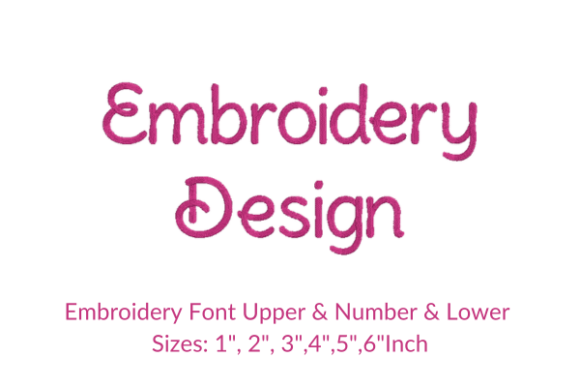
The first thing you notice about the Delius Font Embroidery Design is its distinct character. Unlike rigid, corporate sans-serifs or overly ornate scripts that can become illegible when stitched, this font strikes a balance that feels both approachable and professional. It carries a handmade aesthetic that aligns perfectly with the current market trends for boutique goods and artisanal products. For businesses in the School category or those creating educational materials, this font offers a friendly yet structured look that appeals to parents and teachers alike.
However, its appeal extends far beyond academia. The visual weight of the letters suggests versatility. It is bold enough to be read from a distance on a tote bag but refined enough to work as a subtle chest logo on a staff uniform. When I loaded the embroidery file into my software, the stitch paths appeared clean, with logical jumps and minimal trimming requirements. This initial technical inspection is crucial because a messy digitization can ruin even the most beautiful typeface. Delius seems to have been digitized with an understanding of how thread behaves, which is a promising sign for any embroidery shop owner.
Real-World Application for Small Business Merch
The true test of any digital embroidery file is its application in real-world scenarios. I simulated several common use cases for small business merch to see where this font shines. Here is how it performs across different product types:
- Embroidered Patches: This is perhaps the strongest use case. The font’s structure holds up well within the boundaries of a patch. Whether you are creating name tags for a local café or branded logos for a pet grooming service, the letters maintain their integrity without becoming a tangled mess of thread.
- Custom Apparel and Uniforms: For staff uniforms, consistency is key. I tested the font on polo shirts and found that it provides a clean, professional look. It works exceptionally well for adding employee names to the right chest area, enhancing customer trust by personalizing the service experience.
- Tote Bag Design: Canvas bags are a staple for handmade brands. The Delius Font Embroidery Design adds a premium touch to simple cotton totes. Because the font has a slight organic feel, it complements the natural texture of canvas fabric beautifully, making it ideal for florists, bakeries, or bookstores.
- Cap Embroidery: Curved surfaces are notoriously difficult for embroidery. While the font can be used on caps, I recommend using it for shorter words or initials. Long phrases may distort on the curve of a baseball cap front, so careful placement is necessary.
- Apron Embroidery: For culinary businesses or craft studios, branded aprons are excellent marketing tools. This font looks charming on denim or canvas aprons, offering a rustic yet polished vibe that customers associate with quality craftsmanship.
Navigating Technical Challenges and Fabric Textures
While the design is robust, no font is universal. There are specific scenarios where you must exercise caution. The primary concern with any text-based machine embroidery design is legibility at small sizes. If you plan to use this for tiny labels or small jewelry tags, you must check the stitch density. High density can cause puckering on lightweight fabrics, while low density might leave gaps that show the background fabric.
I strongly advise testing the design on the actual fabric texture you intend to use. On terrycloth towels, for example, the stitches need to be dense enough to sit on top of the loops. On smooth performance fabrics, you might need a different stabilizer approach to prevent shifting. Dark uniforms present another challenge; if you are stitching light thread colors on black fabric, ensure the satin columns are wide enough to provide full coverage. Otherwise, the dark fabric may peek through, compromising the professional finish of your finished product.
Additionally, consider the hoop size limitations of your machine. If you are stitching long quotes, you may need to split the design or use a larger hoop, which requires precise alignment. Always create a printable mockup before stitching to visualize the scale and spacing. This step saves time, thread, and fabric, ensuring that your design assets are used efficiently.
Enhancing Brand Identity and Customer Trust
In the world of commercial embroidery, typography is a silent ambassador for your brand. The choice of font communicates values before a customer even reads the words. The Delius Font Embroidery Design contributes to a brand identity that feels authentic, caring, and detail-oriented. For Etsy sellers and handmade product creators, this perception of care is vital. It signals that the item was not mass-produced in a factory but crafted with intention.
When customers receive a item with high-quality embroidery, their perceived value of the product increases. A well-executed name on a gift item or a cleanly stitched logo on packaging can turn a one-time buyer into a loyal advocate. Consistency in using this font across your small business merch—from business cards (printed) to embroidered patches—creates a cohesive visual language. This consistency builds recognition and trust, which are the cornerstones of a successful creative studio or boutique.
Practical Designer Notes for Production
Before you integrate this font into your production workflow, here are my final recommendations based on professional experience:
- Test in Black and White First: Remove color distractions to evaluate the structural integrity of the stitches. If it looks good in monochrome, it will look great in color.
- Check Commercial Licensing: The product description mentions it is a high-quality embroidery font, but always confirm the license terms. Ensure you have the right to use it for commercial embroidery projects and sold goods.
- Use Proper Stabilizer: Match your stabilizer to your fabric. Cut-away stabilizer is generally best for garments that will be washed frequently, while tear-away may suffice for decorative items that see less wear.
- Inspect Spacing and Kerning: Look closely at how the letters connect or separate. Some fonts require manual adjustment in your embroidery software to ensure even spacing, especially when combining uppercase and lowercase letters.
- Create Client Mockups: If you are doing work for clients, use the embroidery file to generate realistic mockups. This helps manage expectations and ensures approval before you start stitching.
In conclusion, the Delius Font Embroidery Design is a versatile and valuable addition to any embroidery designer’s library. It bridges the gap between playful and professional, making it suitable for a wide range of industries from schools to boutique retail. By understanding its strengths and respecting its technical limitations, you can leverage this font to create stunning, high-value merchandise that elevates your brand and delights your customers. Always remember to test, refine, and perfect your process, because in embroidery, the details are what define quality.