Little Minds: A Charming School Embroidery Design Review
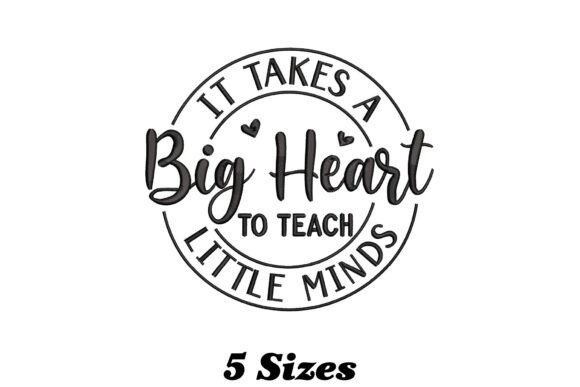
As I prepare my booth for the upcoming weekend craft fair, I am constantly evaluating which design assets will stop customers in their tracks. My table is destined to be crowded with embroidered tote bags, aprons, tea towels, and small pouches, so every machine embroidery design I choose must earn its place. Today, I am taking a close look at Little Minds, a delightful digital embroidery file categorized under School. The product description promises a charming update for fabrics with a fun and quirky flair, suitable for t-shirts, towels, or home decor. From the perspective of a seasoned embroidery business owner, here is my honest review of how this design performs as a craft fair product and whether it deserves a spot on my best-selling rack.
First Impressions and Visual Appeal
The title Little Minds immediately sets a specific tone. It feels cute, playful, and undeniably geared toward the back-to-school season or gifts for young learners. When I visualize this on a display table, it does not scream "elegant" or "rustic farmhouse." Instead, it leans heavily into a modern, whimsical aesthetic that appeals to parents, grandparents, and teachers looking for personalized items. For an Etsy seller or boutique maker, this mood is crucial. It suggests a handmade product that is lighthearted and approachable. The "quirky flair" mentioned in the description hints that the stitching likely includes unique elements that break away from standard, stiff school motifs. This visual appeal is vital for buyer engagement; in a sea of generic apples and pencils, a design that feels fresh and fun can significantly boost the perceived value of your finished product.
Best Products for Maximum Impact
Determining where Little Minds shines requires matching the design scale to the right substrate. Based on the versatility described, here is how I would deploy this embroidery file across my inventory:
- Tote Bag Design: This is likely the strongest contender. A canvas tote offers a flat, stable surface perfect for showcasing the details of a school-themed design. It serves as an excellent craft fair product because it is practical for students and teachers alike.
- Apron Embroidery: Placing this design on the bib of a child's art smock or a teacher's kitchen apron adds immediate character. The "fun" aspect of the design complements the messy, creative nature of cooking and crafting.
- Tea Towel Embroidery: Kitchen textiles are staples at markets. If the design has clean lines, it will look fantastic on a waffle weave or linen towel, transforming a simple utility item into a giftable keepsake.
- Embroidered Patch: If the file allows for a satin border, turning this into an iron-on patch is a brilliant move. It allows customers to apply the small shop product to existing jackets or backpacks, expanding your market without needing new blank goods.
- Fabric Pouches and Pillow Covers: These make excellent impulse buys. A pencil case featuring Little Minds is a no-brainer sale during the late summer rush.
Production Practicality and Batch Selling
For those of us running a commercial embroidery operation or a busy home studio, production speed and consistency are key. Does Little Minds work for batch production? Generally, school-themed designs that rely on bold shapes rather than intricate shading are easier to reproduce quickly. If the design is easy to understand at a glance, it reduces the time a customer spends hovering over your booth trying to decipher it. Quick recognition leads to faster sales. Furthermore, if the design works as both a small accent on a cap pocket or a large focal point on a market bag, it offers incredible flexibility. This adaptability means you can create a cohesive brand look across different price points, from a $15 patch to a $35 tote bag.
Photography is another critical factor. For online listings, a design needs to pop against various background colors. A quirky, charming design usually photographs well because it draws the eye naturally. Creating a printable mockup or staging real photos with this design should be straightforward, provided the thread colors offer enough contrast against the fabric.
Critical Considerations for Execution
While the potential is high, there are technical hurdles to clear before hooping up. As an experienced designer, I always advise checking the following before committing to a full production run:
- Stitch Density: Check the density settings. High stitch density can cause puckering on lighter fabrics like t-shirts, while too little density might look sparse on thick towels.
- Tiny Details: School designs often include small text or fine lines. Ensure these details do not get lost, especially if you plan to resize the file smaller for patches or caps.
- Fabric Texture: The description mentions towels. Textured fabrics can swallow up small stitches. You may need to adjust the pull compensation or use a heavier topping.
- Curved Surfaces: If applying this to caps, remember that the curved surface distorts designs. Verify that the lettering or central motif remains legible on a structured cap.
- Dark Fabric: Ensure the recommended thread colors provide sufficient contrast if stitching on navy or black garments. You might need to manually adjust the color palette for dark goods.
Designer Notes for Success
To ensure Little Minds becomes a best-seller rather than a booth dud, follow these practical steps. First, test the design on scrap fabric that matches your actual blanks. Do not skip this step. Second, check thread contrast under natural light, as booth lighting can be deceptive. Third, review spacing between elements to ensure they don't merge together after washing. Fourth, confirm hoop size requirements; knowing if you need a 4x4 or 5x7 hoop helps with planning your machine time. Fifth, inspect stitch density by feeling the back of the sample; it should not feel like a solid block of plastic. Sixth, use the right stabilizer—cut-away for stretchy knits and tear-away for stable wovens. Seventh, create at least one real mockup for your display table; customers need to touch and feel the quality. Eighth, compare fabric colors to see which backgrounds make the design sing. Finally, and most importantly, confirm commercial licensing before selling. The description implies it is for embellishing goods, but always verify the specific terms of the digital embroidery file to ensure you are cleared for commercial embroidery sales.
Note that specific technical data such as exact stitch count, available file formats, or precise hoop dimensions were not included in the provided product snippet. It is highly advisable to check the download page or contact the creator for these specifics before beginning production.
Final Verdict for Craft Fair Sellers
Little Minds appears to be a strong candidate for the School category, specifically for makers targeting the back-to-school rush or teacher appreciation markets. Its strength lies in its versatility and its ability to add a "fun and quirky" personality to standard blanks. For an Etsy seller or craft fair vendor, this design offers the chance to create a cohesive collection of handmade products that feel personal and high-quality. By paying attention to fabric texture, stabilizer choices, and presentation, this embroidery file can transform simple tote bags and aprons into premium items that command higher prices. If you are looking to refresh your inventory with something that balances cuteness with commercial viability, Little Minds is worth stitching out.