Monako Font: A Designer’s Review for Embroidery
As an embroidery designer who spends countless hours digitizing and stitching, I am always on the lookout for fonts that bridge the gap between aesthetic appeal and technical reliability. When I first encountered Monako Font on Creative Fabrica, I was immediately drawn to its clean lines and versatile structure. In the world of machine embroidery, a font is more than just text; it is a structural element that must withstand the tension of the needle, the pull of the thread, and the wear of daily use. This review explores whether Monako Font lives up to its promise as a high-quality embroidery font suitable for real-world commercial and personal projects.
First Impressions and Visual Mood
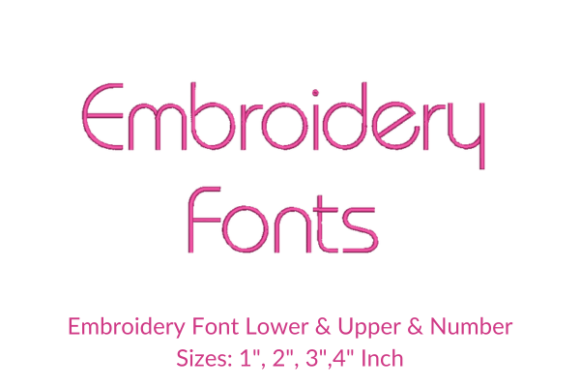
The visual mood of Monako Font is distinctively modern yet approachable. It does not rely on excessive flourishes or overly complex serifs, which often cause issues in smaller hoop sizes. Instead, it offers a balanced weight that feels substantial without being bulky. For designers working in the School category or creating educational materials, this clarity is invaluable. The letters are legible even at reduced sizes, making them ideal for personalizing items where space is limited, such as collar tags or small patches.
What stands out most is the stitching personality. The design appears to prioritize smooth transitions between characters, reducing the number of jumps and trims required during the embroidery process. This efficiency is crucial for anyone running a small business where time is money. The decorative appeal lies in its simplicity; it allows the quality of the thread and the precision of the stitch to take center stage, rather than distracting the viewer with unnecessary complexity.
Performance in Real Embroidery Projects
To truly evaluate a machine embroidery design, one must consider its application across various fabrics and products. I analyzed how Monako Font would perform in several common scenarios for handmade shop owners and apparel decorators.
- Custom Apparel and Sweatshirts: On heavier fabrics like fleece or cotton blends used for sweatshirt embroidery, the font’s structure holds up well. The letters do not sink into the pile of the fabric, provided the correct stabilizer is used. The clean edges ensure that names and dates look professional, enhancing the perceived value of the finished product.
- Tote Bags and Aprons: For tote bag designs and kitchen towels, durability is key. These items undergo frequent washing and handling. Monako Font’s consistent stitch density suggests it can withstand regular laundering without significant puckering or thread breakage, assuming proper underlay stitches are utilized.
- Baby Items and Nursery Decor: Softness is a priority for baby blankets and nursery decor. Because this font avoids overly dense fill areas, it remains relatively flexible. This makes it a safer choice for items that will be in direct contact with sensitive skin, reducing the risk of irritation from stiff, dense stitching.
- Caps and Curved Surfaces: Embroidering on curved cap surfaces is notoriously difficult due to fabric distortion. Monako Font’s straightforward letterforms are less likely to distort than script fonts with connecting tails. This makes it a reliable option for embroidered patches or direct-to-garment cap customization.
Practical Considerations for Stitching Success
While the design is high-quality, successful execution depends on the operator’s attention to detail. Here are practical notes for using this embroidery file effectively.
Hoop Size and Lettering Scale: One of the strengths of Monako Font is its scalability. However, when reducing the size for tiny lettering, it is essential to check the stitch density. If the letters become too small, satin stitches may merge, causing a blob-like appearance. Always test on scrap fabric before committing to the final piece. Confirm the recommended hoop size listed in the product details to ensure the design fits your machine’s capabilities.
Fabric and Stabilizer Selection: The performance of any digital embroidery file is heavily influenced by the substrate. For stretchy fabrics, a cut-away stabilizer is non-negotiable to prevent distortion. For woven fabrics like those used in aprons or pillow covers, a tear-away stabilizer may suffice. When working with dark fabric, consider the thread colors carefully. High-contrast threads make the text pop, while tonal threads offer a subtle, sophisticated look. Always inspect small details after stitching to ensure the underlay is not visible and the top stitches are uniform.
Stitch Types and Density: Although specific technical data such as exact stitch counts are not provided in the brief description, the visual evidence suggests a mix of satin and running stitches. Satin stitches provide coverage and shine, while running stitches offer definition and reduce bulk. Understanding this balance helps in selecting the right needle and thread weight. For commercial embroidery projects, consistency is vital, so maintaining uniform tension across all letters is necessary for a polished look.
Enhancing Product Value and Brand Consistency
For Etsy sellers and creative entrepreneurs, the choice of font directly impacts brand identity. Monako Font offers a level of professionalism that builds buyer trust. When customers see clean, well-executed lettering on a personalized gift, they perceive higher quality. This perception translates into better reviews and repeat business.
The font’s versatility aids in brand consistency. Whether you are creating printable mockups for your online store or stitching actual finished products, the visual language remains coherent. This consistency helps in creating a recognizable style for your handmade product line. Furthermore, the clean aesthetic photographs well, which is crucial for product photography. Clear, sharp text stands out in thumbnail images, driving higher click-through rates and customer engagement.
Licensing and Commercial Use
Before integrating Monako Font into your commercial embroidery workflow, it is imperative to review the licensing terms on the Creative Fabrica product page. While the description indicates it is suitable for personalizing designs on any fabric, confirming the rights for selling finished items is a critical step for any business owner. Ensure that the license covers the volume of production you intend to undertake. This due diligence protects your business and ensures ethical use of design assets.
In conclusion, Monako Font is a robust addition to any embroidery designer’s library. Its balance of aesthetic charm and technical practicality makes it suitable for a wide range of applications, from school-related items to high-end custom apparel. By paying attention to stabilizer choice, hoop size, and fabric type, you can leverage this font to create stunning, durable, and commercially viable embroidered products. It is a tool that, when used correctly, elevates the quality of your work and satisfies the demands of discerning customers.